What's the best material for a pool deck in Fort Lauderdale?
This is probably the number one question I get, and honestly, there's no single 'best' answer for everyone. It really depends on your budget, how much maintenance you're willing to do, and the look you're going for. Here in Fort Lauderdale, we've got some unique challenges, right? Constant humidity, intense sun, heavy rain, and sometimes even salt spray if you're closer to the Intracoastal or ocean. So, whatever you pick needs to stand up to that.
For natural wood, I often recommend Ipe or other hardwoods. They're incredibly dense, naturally resistant to rot, insects, and they hold up well to our sun. The downside? They're expensive, and they need regular oiling to maintain their rich color, otherwise, they'll silver out. If you like that silver look, great, but it's still good to oil them every year or two for longevity. Pressure-treated pine is cheaper upfront, but it requires more maintenance, like sealing and staining, and it won't last as long as Ipe. It can also warp and splinter more easily.
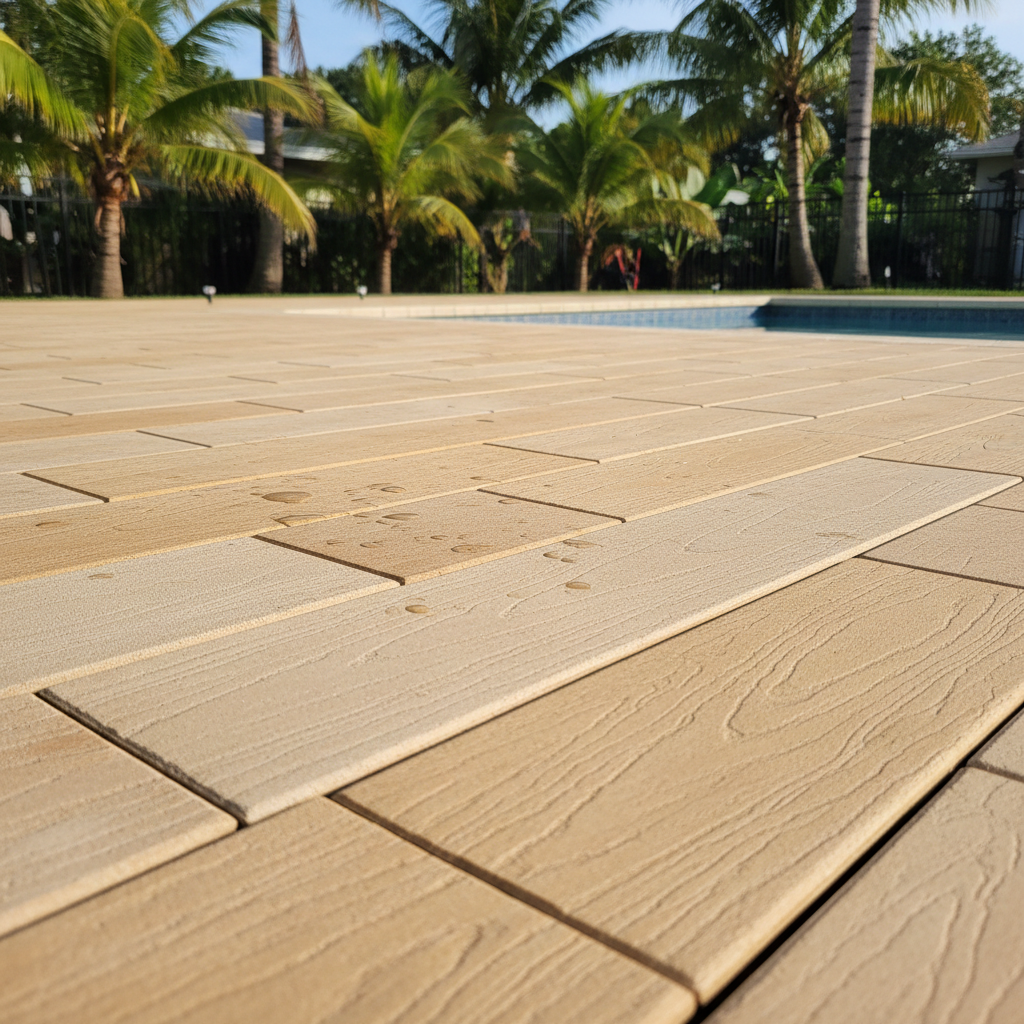
Composite decking is a huge contender. It's low maintenance – you just clean it. It won't rot, splinter, or get eaten by termites. The color is usually consistent throughout, and many brands offer great warranties. The main thing to watch out for with composite is heat retention. Some colors and brands can get really hot under our Florida sun, which isn't fun for bare feet. Always ask about heat ratings when you're looking at samples. Another thing is that some composites can still fade over time, even if it's minimal. We've seen a lot of folks happy with composite options from Trex or TimberTech, especially their lighter colors.
Pavers are another popular choice, especially around pools. They're durable, come in tons of styles, and if one gets damaged, you can usually replace just that one. They also don't get as hot as some other materials. The main thing with pavers is making sure they're installed correctly on a good base, otherwise, you'll get shifting or uneven spots. And you'll need to keep up with sealing them to prevent stains and inhibit weed growth in the joints.
Concrete is always an option, whether it's stamped, stained, or aggregate. It's durable and relatively low maintenance. It can crack, though, especially with our shifting soils and heavy rains, so proper expansion joints are crucial. It can also get quite hot.
How long does a pool deck typically last in South Florida?
This really depends on the material and how well it's maintained. A well-built Ipe deck, properly cared for, can easily last 25-40 years, sometimes even longer. Composite decks often come with 25-year warranties, and many will exceed that with proper cleaning. Pressure-treated pine? You're probably looking at 10-15 years before you start seeing significant wear, even with good maintenance. Pavers and concrete can last decades, assuming they're installed right and you're not neglecting them completely.
The key here is 'properly cared for.' If you let mildew build up, neglect sealing, or ignore minor repairs, even the best materials will degrade faster. Our climate is tough on everything outside, so a little proactive care goes a long way.
What kind of maintenance does a pool deck need?
Again, it varies by material, but there are some common themes. For any deck around a pool, regular cleaning is a must. Algae and mildew love our humid environment, and they can make your deck slippery and look terrible. A good pressure washing once or twice a year is usually enough, but be careful with the pressure on softer woods or some composites, as you can damage them. A simple scrub brush with a mild detergent often works wonders.
- Wood decks: If you want to keep that rich color, you'll need to reapply a UV-protective oil or stain every 1-3 years, depending on the product and sun exposure. This also helps protect the wood from moisture.
- Composite decks: These are the lowest maintenance. Just regular cleaning with soap and water or a specialized deck cleaner. Watch out for grease stains from the grill; clean those up quickly.
- Pavers: Sealing every 3-5 years helps protect against stains, UV damage, and makes cleaning easier. You'll also want to sweep out debris from the joints and refill with polymeric sand if needed to prevent weeds.
- Concrete: Sealing is also important for concrete to prevent staining and help with UV protection. Cracks should be addressed as they appear.
And for any deck, always check for loose fasteners, wobbly railings, or any signs of damage. It's easier and cheaper to fix a small problem than a big one.
Do I need a permit for a new pool deck or to replace an old one?
Absolutely, yes. In Fort Lauderdale and Broward County, you almost always need a permit for any new deck construction or significant replacement of an existing deck, especially around a pool. This isn't just bureaucracy; it's about safety. They're checking for things like proper structural integrity, setbacks from property lines, and compliance with the Florida Building Code, which includes things like proper drainage and railings. Don't try to skip this step. It can lead to big headaches down the road, like fines, having to tear it down, or issues when you try to sell your home. A good contractor, like us at Aim High Decks, will handle all the permitting process for you.
How hot do different deck materials get in the sun?
This is a critical question for us in South Florida. Nobody wants to burn their feet getting out of the pool! Generally speaking, darker colors absorb more heat, regardless of the material. Concrete and some darker composite decks can get surprisingly hot. I've seen some dark composites hit 140-150 degrees Fahrenheit on a sunny summer day – that's scorching. Lighter colored composites, natural light-colored pavers, and even Ipe (which is dense but often a medium brown) tend to stay cooler. Aluminum decking, while not super common for pool decks, can also get very hot.
When you're looking at samples, ask your contractor if they have any data on surface temperatures for different colors or materials. Some composite manufacturers are now making 'cool-to-the-touch' technology, which is worth looking into if heat is a major concern for you.
What about drainage? Is that important for a pool deck?
Extremely important. Proper drainage isn't just about preventing puddles; it's about protecting your home's foundation and preventing water from sitting on your deck material, which can lead to premature wear, mildew, and even structural damage over time. Your deck should be sloped slightly away from your house, usually at a rate of about 1/4 inch per foot. This ensures rainwater and splash-out from the pool run off properly.
If you're using pavers, the base underneath needs to be well-drained. For wood or composite decks, the spacing between boards helps with drainage, but the substructure still needs to be designed so water doesn't pool underneath. We also need to consider the impact of heavy rains, which we get a lot of here. You don't want water collecting against your house or eroding your landscaping. It's all part of a good design.
Can I build a deck over an existing concrete slab?
Yes, you often can, but there are some important considerations. Building a deck over an existing concrete slab can save you some money on demolition and new foundation work, but you need to ensure a few things. First, the existing slab needs to be in good condition – no major cracks, heaving, or severe unevenness. If it's falling apart, you're just building on a bad foundation.
Second, and critically, you need to ensure proper ventilation and drainage between the new deck and the old slab. If you just lay boards directly on the concrete, you'll trap moisture, which will lead to rot for wood or mildew issues for composite. We typically use a sleeper system or adjustable pedestals to create an air gap and allow water to drain. This also helps with leveling. You'll also need to make sure the finished deck height isn't too high relative to your doors or pool coping. It's definitely doable, but it requires careful planning to avoid future problems.
What's the deal with termites and pool decks in Fort Lauderdale?
Termites are a fact of life here in South Florida, and they absolutely love wood. If you're building a wood deck, especially pressure-treated pine, you need to be vigilant. While pressure-treated wood is resistant to some extent, it's not completely impervious, especially over time or if the treatment isn't consistent. Subterranean termites can tunnel up through the ground and into your deck posts or joists without you even knowing until it's too late.
This is one of the big reasons why composite decking is so popular around here – termites can't eat it. If you go with wood, make sure any wood in contact with the ground is properly treated and consider regular pest control treatments around the deck perimeter. We always make sure to use appropriate materials and construction methods to minimize the risk, but it's something every Fort Lauderdale homeowner with a wood deck needs to be aware of.